
Даты: 6 марта 2026 года - 24 мая 2026 года
Вернисаж: пятница 6 марта 2026 года, 18.00-20.00 - открытие выставки, вернисаж в салонах отеля «Hostellerie La Farandole». Презентация выставки, саксофон, аперитив.
Если вы хотите попасть на открытие выставки или приобрести картину - напишите нам в What'sUp +33 7 83 43 06 90 (fr), +7 925 113 4017 (rus)
Вход свободный.
Место: отель «Hostellerie La Farandole» www.hostellerielafarandole.com, Франция, Прованс, 140 Chemin de la Plage, 83110, Sanary-sur-Mer
Все работы можно приобрести.

Выставка «Гармония тишины» объединяет работы двух французских художниц - живопись Мириам Доридо и скульптуры Алис Байяр - в тонком диалоге о присутствии, следе и внутреннем пространстве.
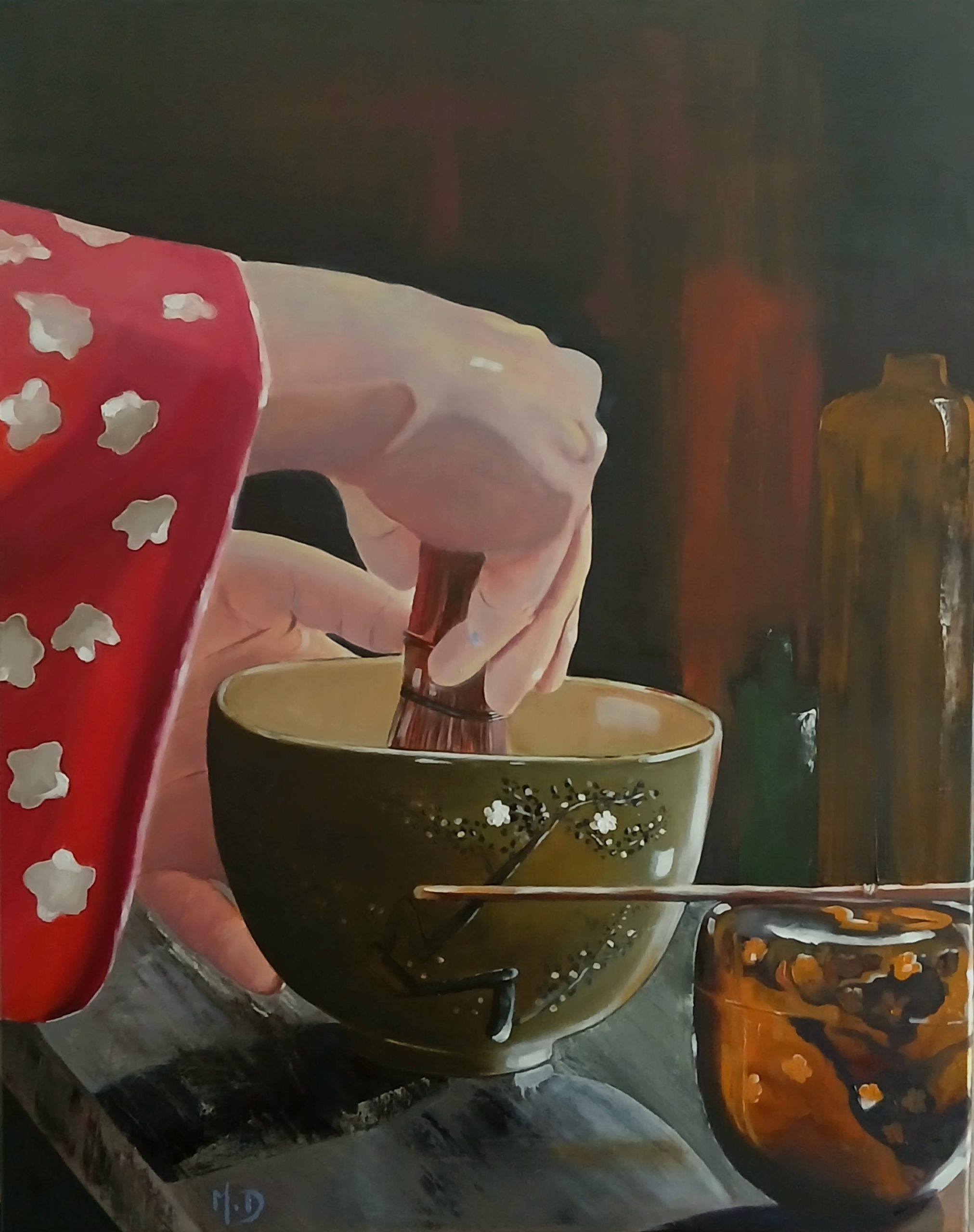
На холстах Мириам Доридо - повседневные восточные сцены, моменты созерцания, ожидания, спокойствия. Её работы не рассказывают истории, а передают состояния - придают форму мгновениям остановки, когда взгляд замирает, а время становится почти осязаемым. Живопись художницы внимательна к тишине, к тому, что происходит незаметно. Мириам Доридо родом из Бургундии, она выросла в художественной среде, рядом с живописной мастерской своего отца. Сейчас искусство для Мириам - это важное пространство самовыражения. Художница работает преимущественно с сухой пастелью и масляной живописью, в поле фигуративного и абстрактного искусства. У всего творчества Мириам Доридо один импульс - придать форму внутреннему присутствию и предложить зрителю чувственный, интимный и тихий опыт.

Геоды - сферы Алис Байяр, представленные на выставке, - продолжают этот опыт через глину и смолу. Алис воссоздаёт природные формы и экспериментирует с эстетикой ваби-саби в философии кинцуги.
Geode art - это техника, которая воссоздает внешний вид и текстуру камней с использованием эпоксидной смолы и глины.Техника ваби-саби акцентирует внимание на простоте, природных материалах и естественном виде предметов, находя красоту в несовершенстве. Слово «ваби» переводится как «скромность» или «простота». В свою очередь, «саби» означает «сезонность» или «увядание». Иногда wabi-sabi с японского переводят как «красота в несовершенстве».Философия кинцуги заключается в принятии недостатков и изъянов. Так же как уважать морщины и шрамы на теле, кинцуги предлагает не выбрасывать разбитый фарфор, а ценить его таким как есть с его богатой жизненной историей.
Для Алис Байяр несовершенства становятся языком, а трещины и изъяны - источником смысла: в её геодах хрупкость превращается в поэтическую силу.
Живопись и скульптура встречаются в экспозиции в общем поиске: сделать видимым то, что неочевидно, вслушаться в тишину и раскрыть гармонию, рождающуюся из простых жестов и внутренних форм.
