“How I brew wax medium? — In a cast-iron cauldron and a silk robe…”
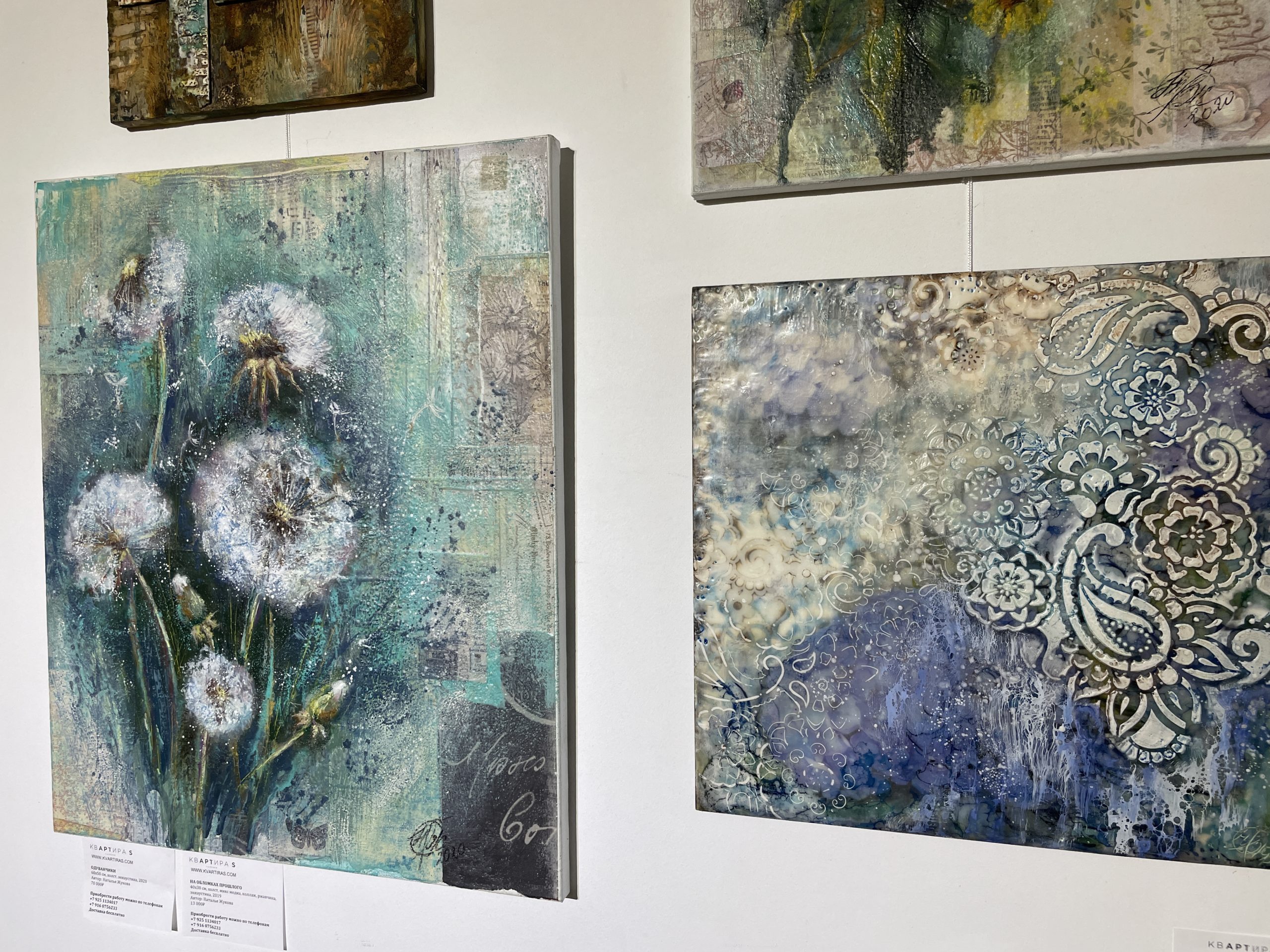
Until July 30, the ARTPLAY design center is hosting Natalia Zhukova's exhibition "Fragments", which presents several works in the encaustic technique.
Who would have thought that in the 21st century we would once again turn to the pictorial traditions of ancient Egypt?
The Fayum portraits, created in Ancient Egypt in the encaustic technique, are the earliest surviving evidence of a technique that was lost in the Middle Ages and became so popular at the beginning of the 20th century.

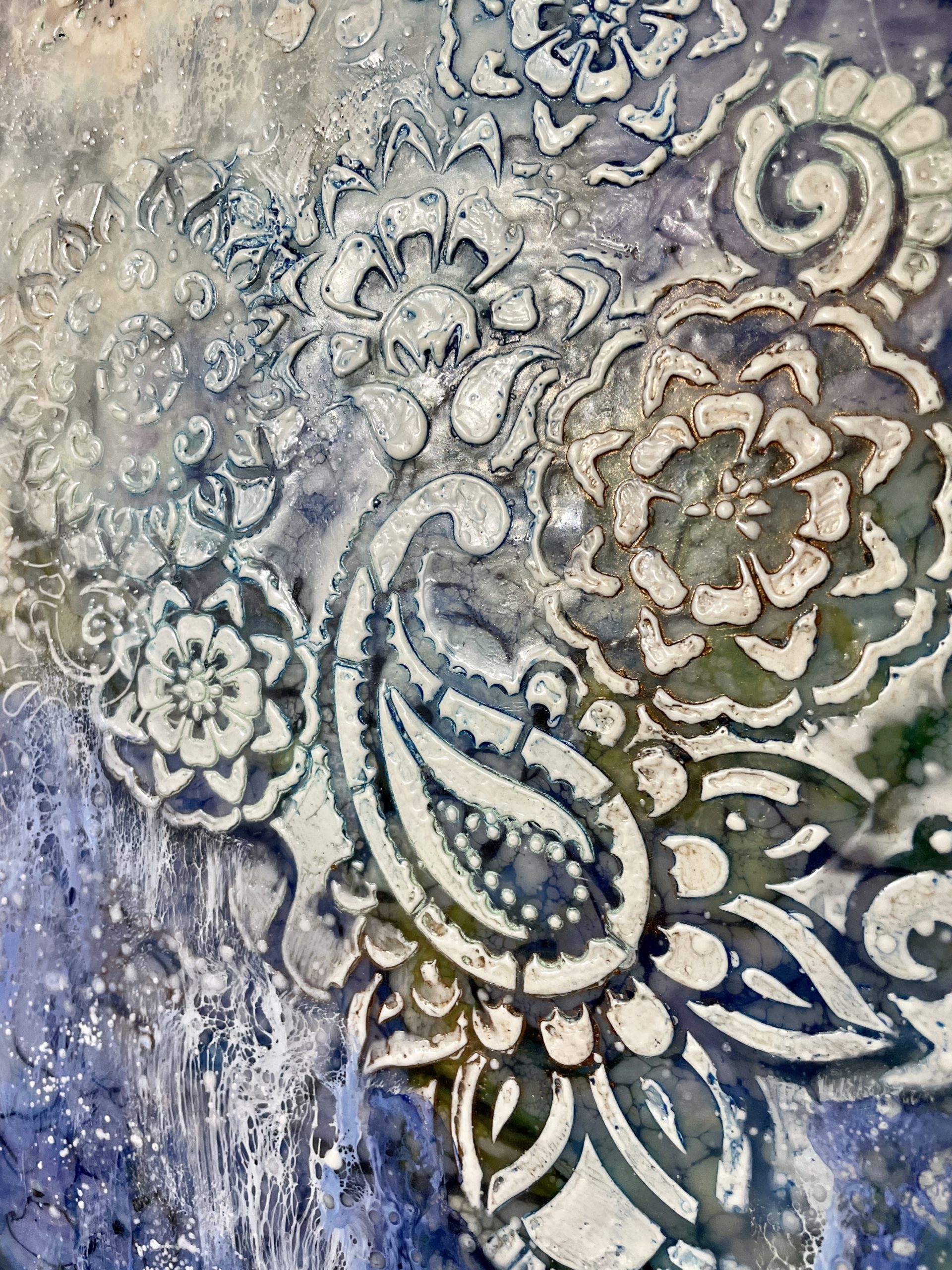
The technology of encaustic painting is one of the most durable and one of the most unhurried in its process of creation. A distinctive feature of the technique is that beeswax serves as the principal binder of the pigments.
"How do I brew the wax medium? In a cast-iron cauldron and a silk robe, and yes, the best time is the full moon… that's a joke, although, inwardly, it feels very much like that. In fact, I brew the medium in an electric skillet, carefully weighing the wax and resin and never bringing it to a boil. And at the end I pour it into silicone cupcake molds. Such is the blend of alchemy and artistic cookery," — artist Natalia Zhukova.
The painting is executed with paints in a molten state; burning-in is used at every stage of the artistic process, and it is from this that the name itself comes, for encaustic in ancient Greek means "to burn in, to melt".
Natalia Zhukova's exhibition "Fragments" is intended to introduce viewers to one of the most ancient techniques and to demonstrate the relevance of encaustic in contemporary painting.