
Artists and Gentrification
Global Experience in Raising Capital Through Art
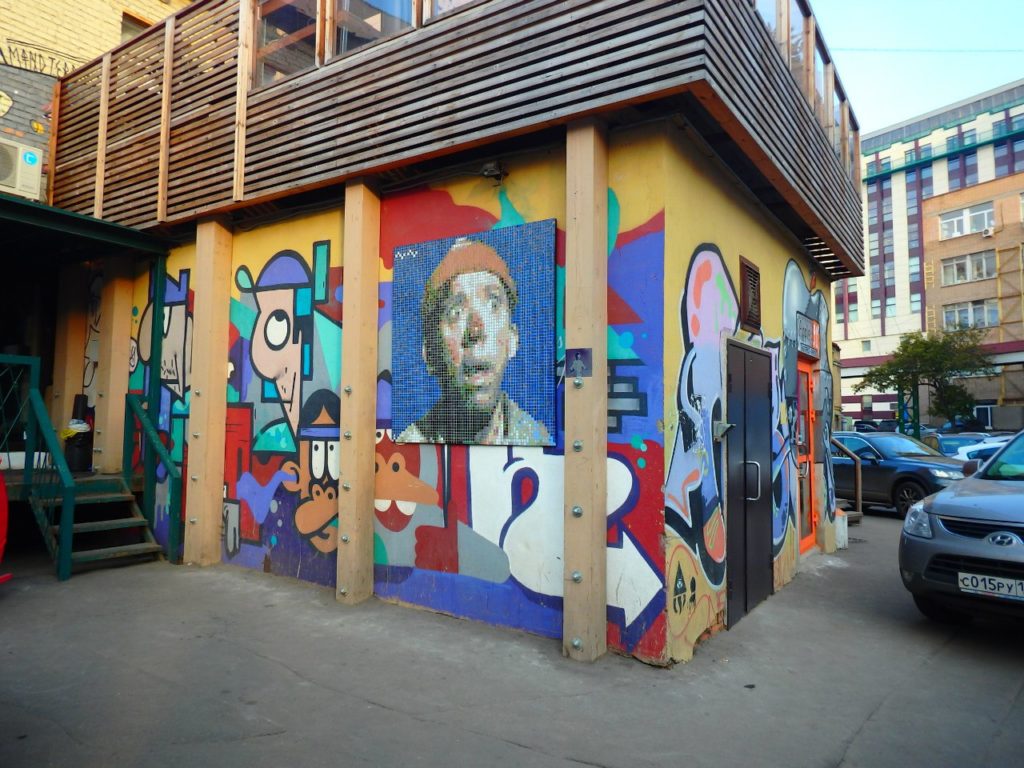
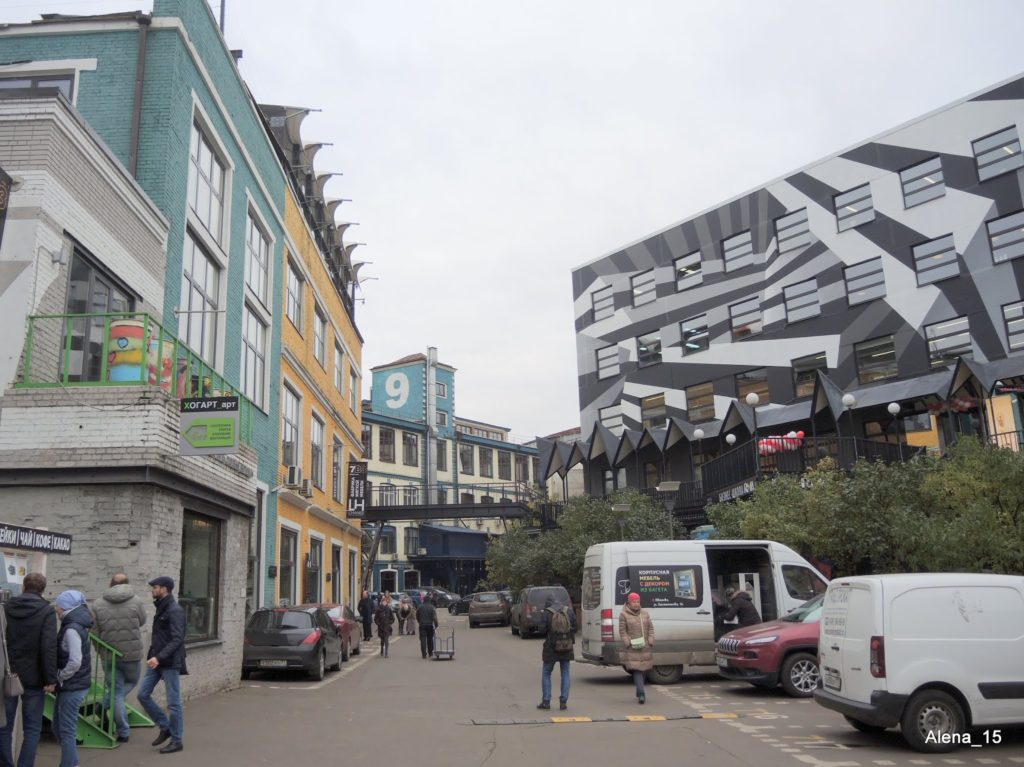
Gentrification—the transformation of former industrial sites into commercial and residential spaces—is hardly a new phenomenon in Moscow. The creators of such clusters as Winzavod, Artplay, Arma, Flacon, Khlebozavod, and others have demonstrated how Soviet factories can be successfully transformed into places that attract investment and a fashionable crowd.
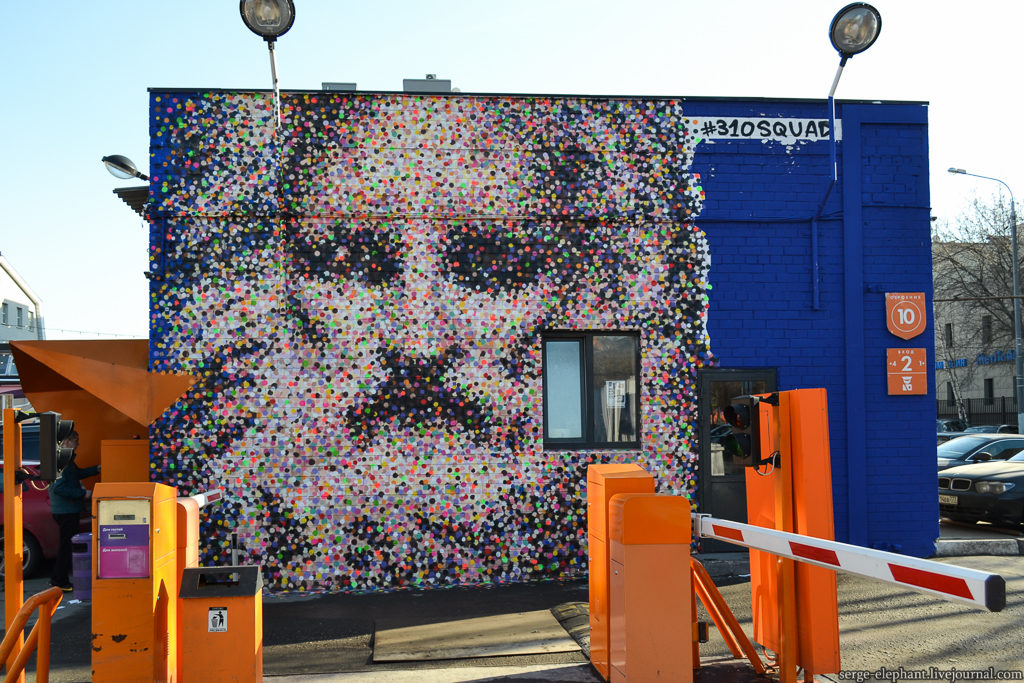
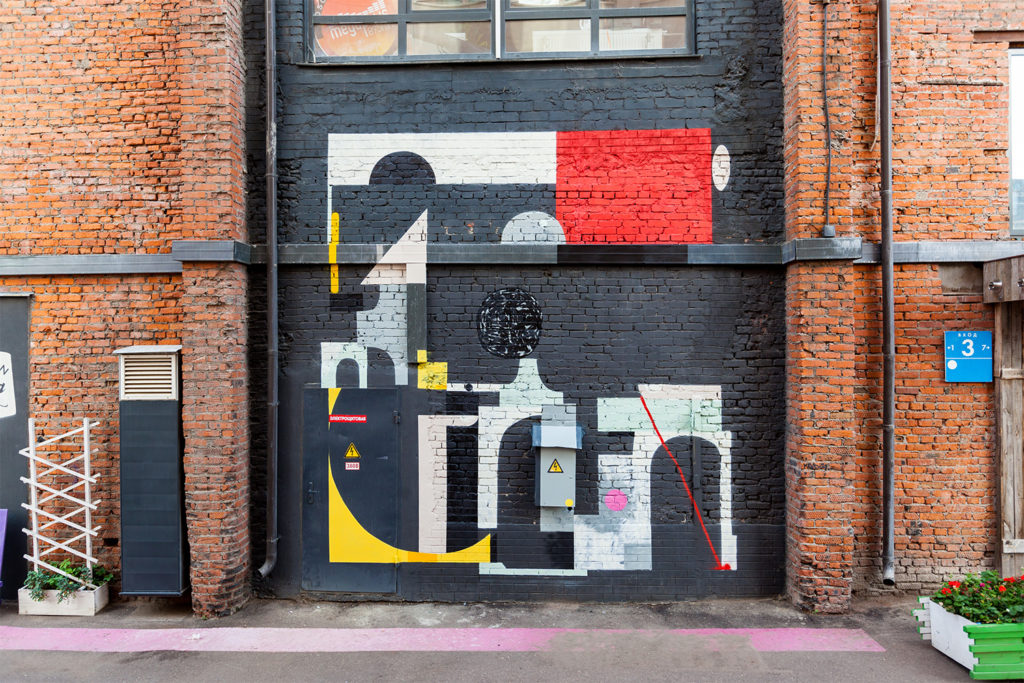
What do artists have to do with it, you may ask? The fact is that all the projects mentioned above began with murals; indeed, many of them can still be seen today. At the initial stage of redevelopment, the idea was to attract the attention of prospective tenants and create a contemporary, fashionable atmosphere with minimal expenditure.
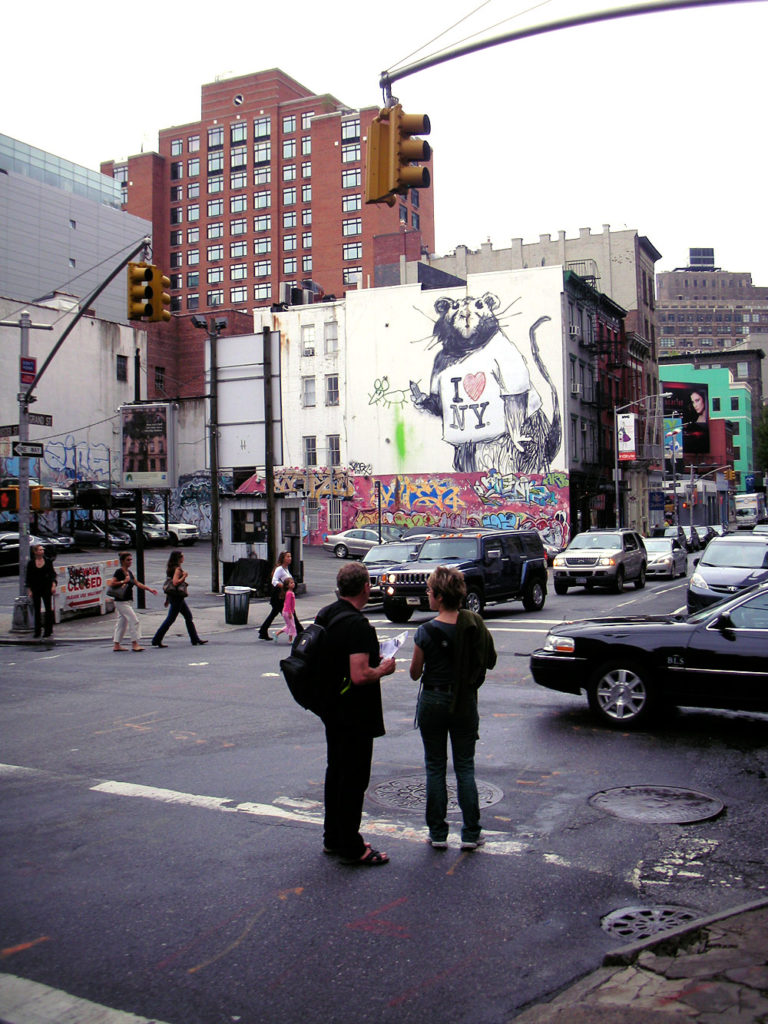
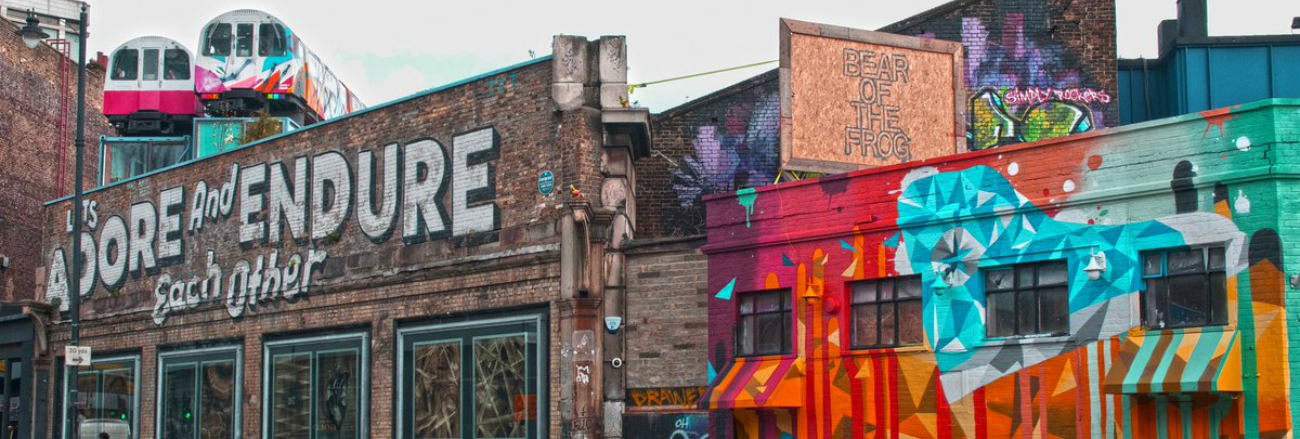
Developers around the world have long harnessed the activities of creative communities to serve their own ends. Districts such as SoHo and the East Village in New York, Shoreditch in London, and Wynwood in Miami are classic examples of artists’ involvement in gentrification.
New York’s SoHo district, home to artists’ studios and small galleries in the 1980s, gradually evolved into a fashionable neighbourhood lined with chain stores and boutiques. Entrepreneur Tony Goldman was one of the driving forces behind this process. In 2008, he also launched the Bowery Mural project near SoHo, where the most celebrated artists of the street-art movement are regularly invited to create new works.
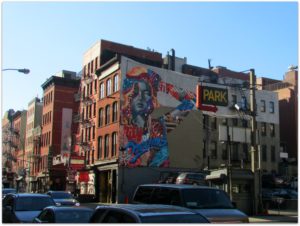
In Miami, through the efforts of the same Tony Goldman, the former warehouse district of Wynwood was transformed into an open-air exhibition, resulting in a proliferation of galleries, clubs, bars, and shops across the former industrial area. The American entrepreneur purchased single-storey windowless buildings and invited internationally renowned street artists to paint their walls. Ultimately, once an infrastructure had developed around the Wynwood Walls project and the district began attracting a bohemian crowd, land values there rose dramatically.
Another major destination on the global street-art map is Shoreditch, an immigrant district in East London. The area became one of the most fashionable parts of the British capital largely thanks to its exceptional concentration of murals. Today, property owners in Shoreditch deliberately offer the walls of their buildings to artists in order to draw the attention of local residents and tourists to their businesses.

Returning to Russia, it should be noted that collaboration between development projects and street art appears highly promising, whether in new residential districts, office centres, or creative clusters. Art in public space can become a competitive advantage, as it helps create an environment in which people feel comfortable and engaged.
One successful example is the Graffiti residential complex in St Petersburg, where renowned street artists were invited to paint the buildings while the development was still under construction. In Moscow, there is the ZILART project, whose creators have not only incorporated the word “art” into its name but also intend to make it an active part of the complex, even planning to open a Moscow branch of the Hermitage Museum on the grounds of the former factory.
Thus, through several international and Russian examples, we have been able to trace how capital continues to collaborate fruitfully with art, while street artists gain an additional platform for creative fulfilment, income, and reaching new audiences.
Dmitri Aske